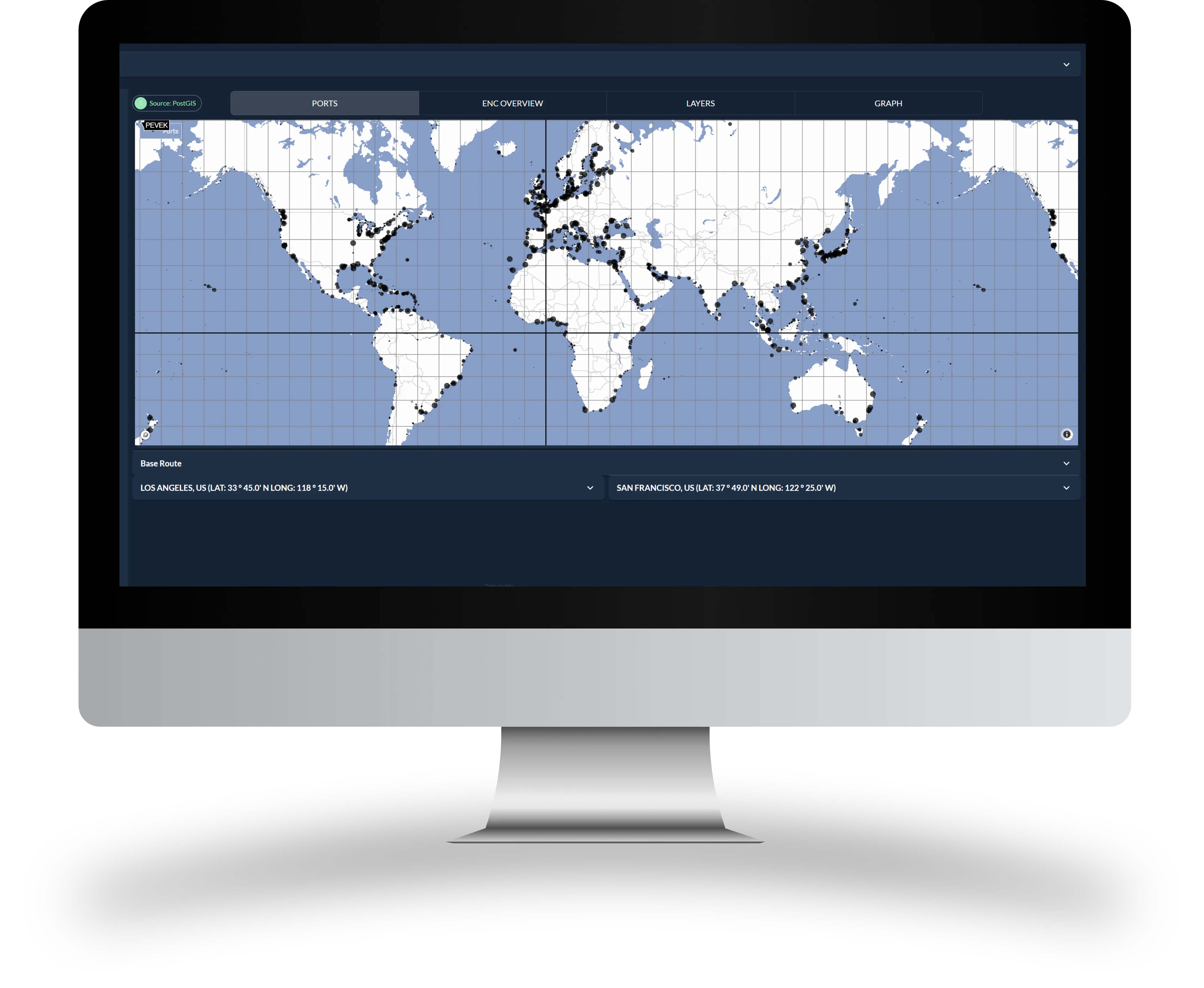
Route Assistant
Route Assistant
Route Assistant
Unlock true power of Data
Unlock true power of Data
Unlock true power of Data
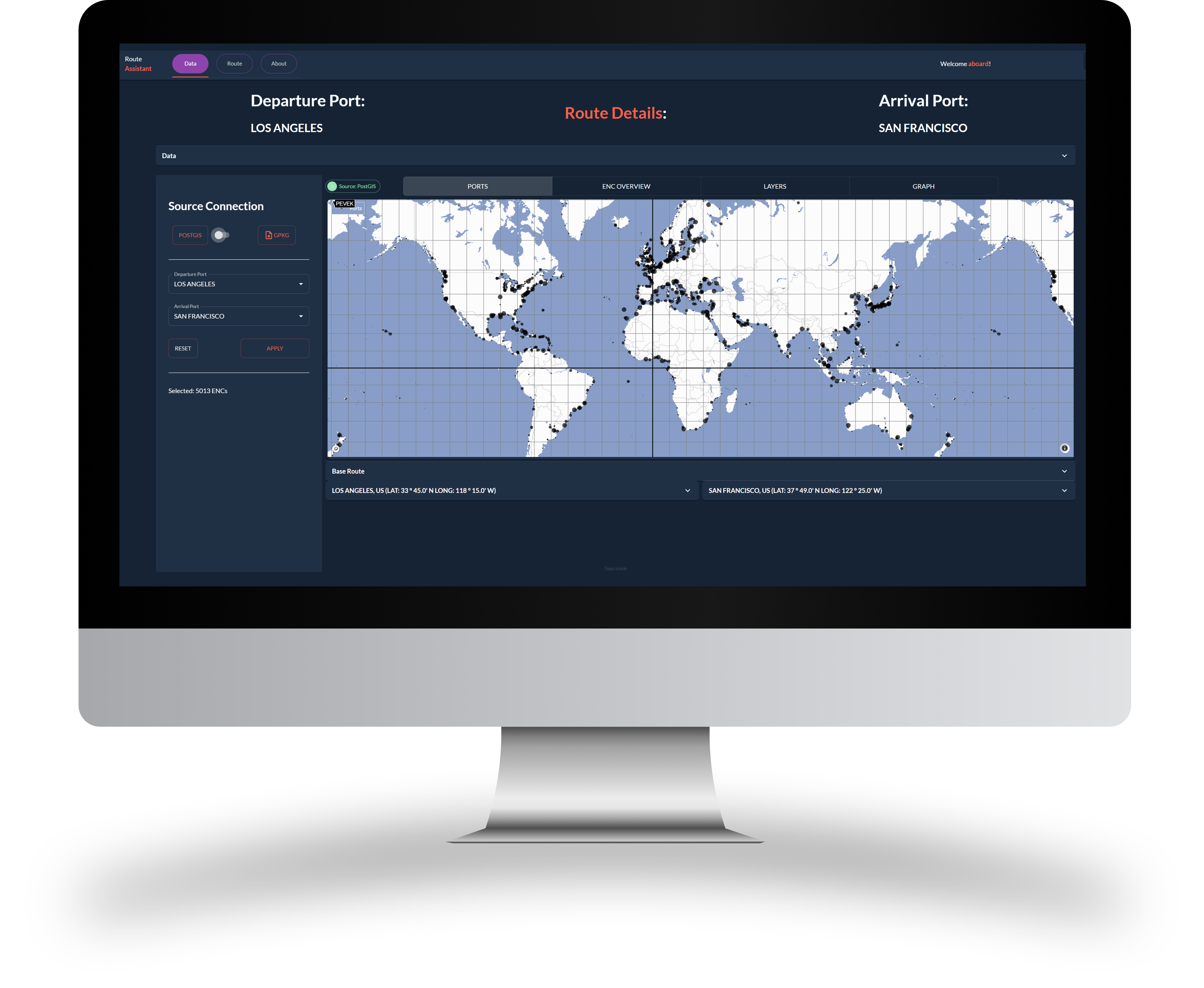
The maritime industry is undergoing rapid digitalization, but the tools for the most critical task—voyage planning—have been left behind. While the format has shifted from paper to Electronic Navigational Charts (ENCs), the core planning process remains largely manual, complex, and incredibly time-consuming.
A significant innovation gap persists. Corporate-driven innovation often focuses on automation that benefits the company, largely neglecting the tools that would directly help mariners on the bridge with their manual tasks.
This problem is made worse by a "Digital Barrier". Official ENCs are locked behind the S-63 encryption standard, which prevents open-source tools, researchers, and data scientists from accessing them. This paywall stifles the very innovation that could help mariners and move the industry forward.


My name is Viktor Kolbasov. As a former voyage planning officer, I have spent countless hours on the bridge experiencing these challenges firsthand. I witnessed how the rich, valuable data within Electronic Navigational Charts was not being used to its full potential.
This realization, born from years of practical experience, became the key motivation for my Master's thesis and the creation of the Route Assistant prototype. My mission is to bridge the gap between raw ENC data and the modern tools that can unlock its power for navigators, captains, data scientists, and researchers.
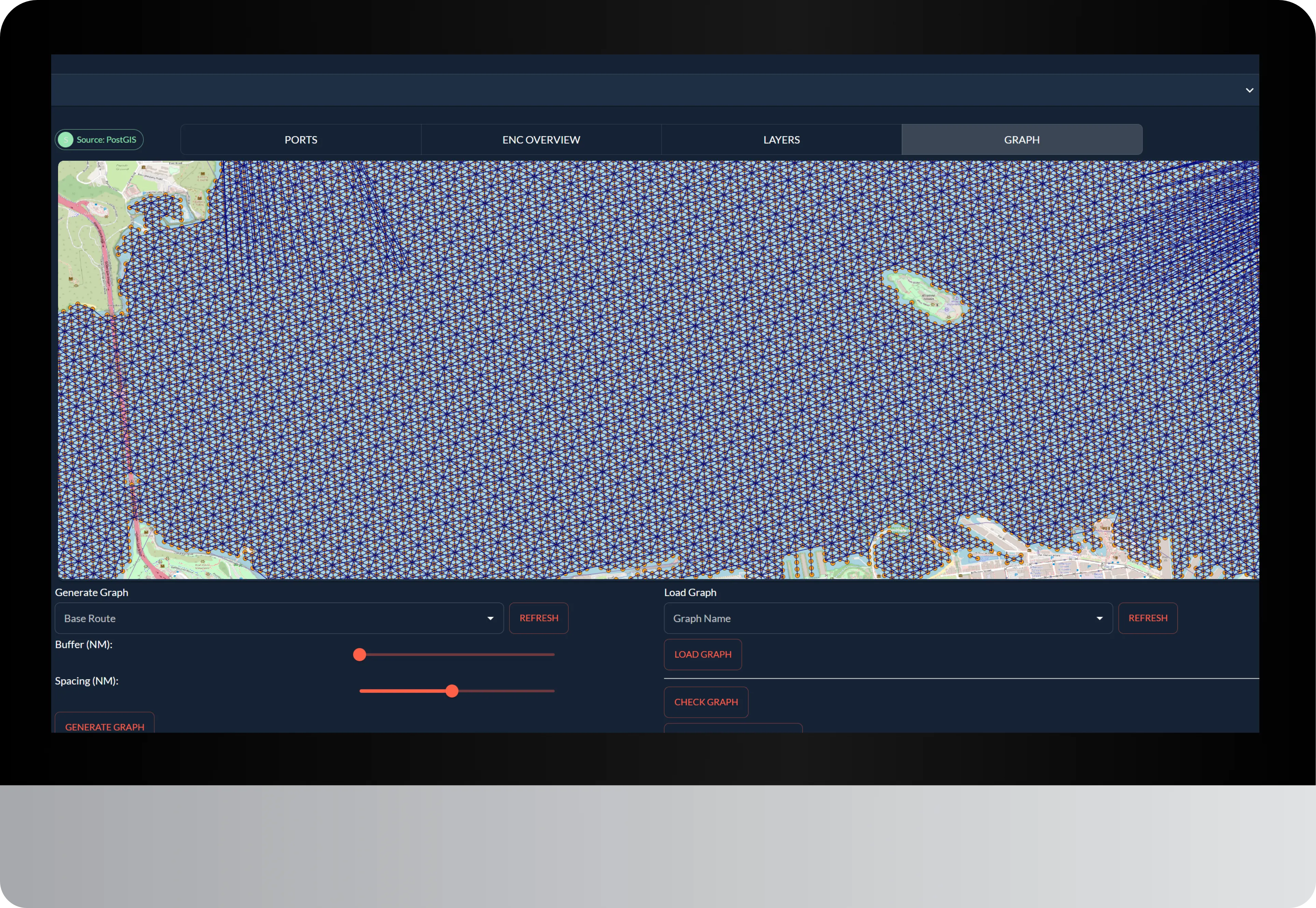
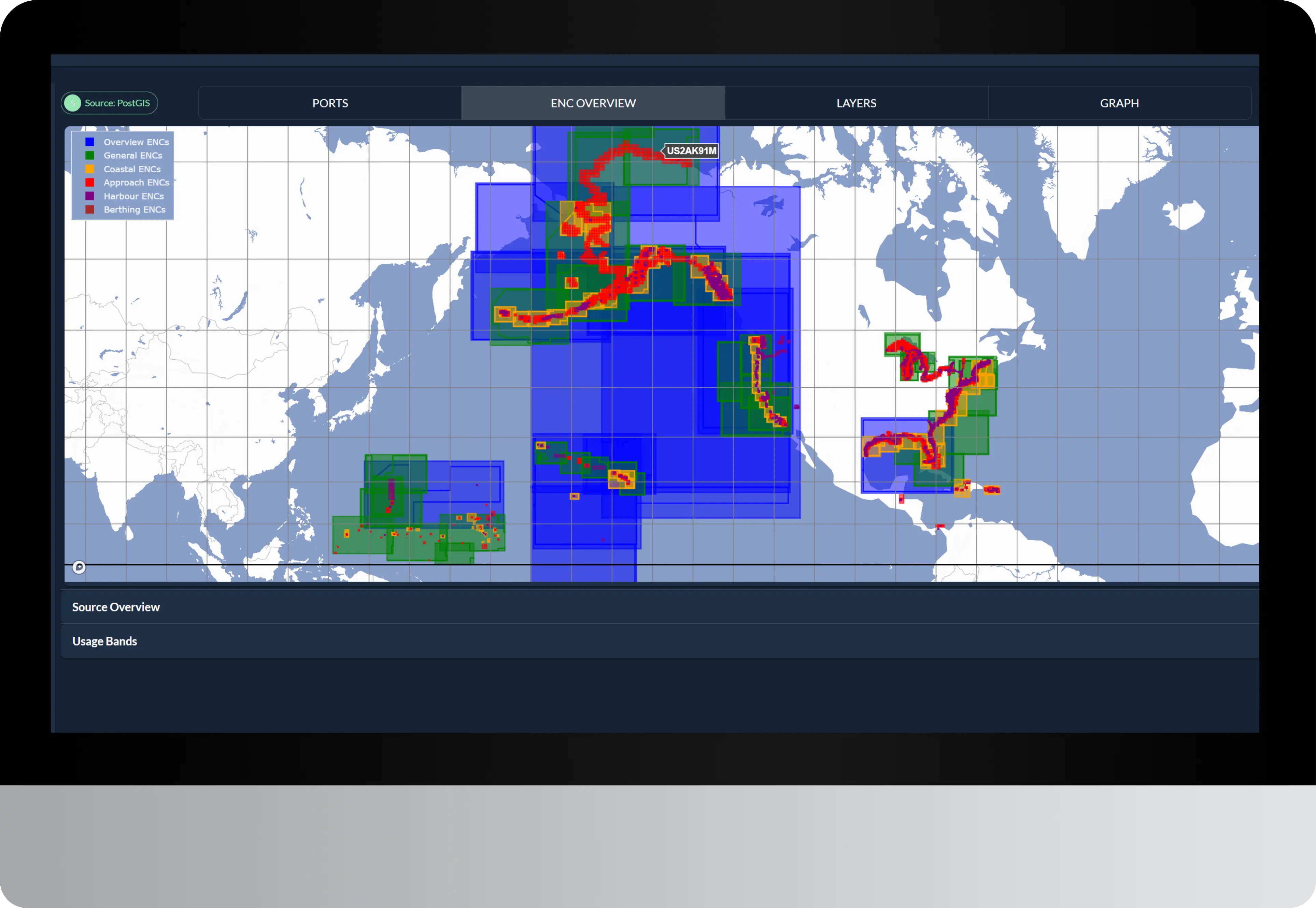
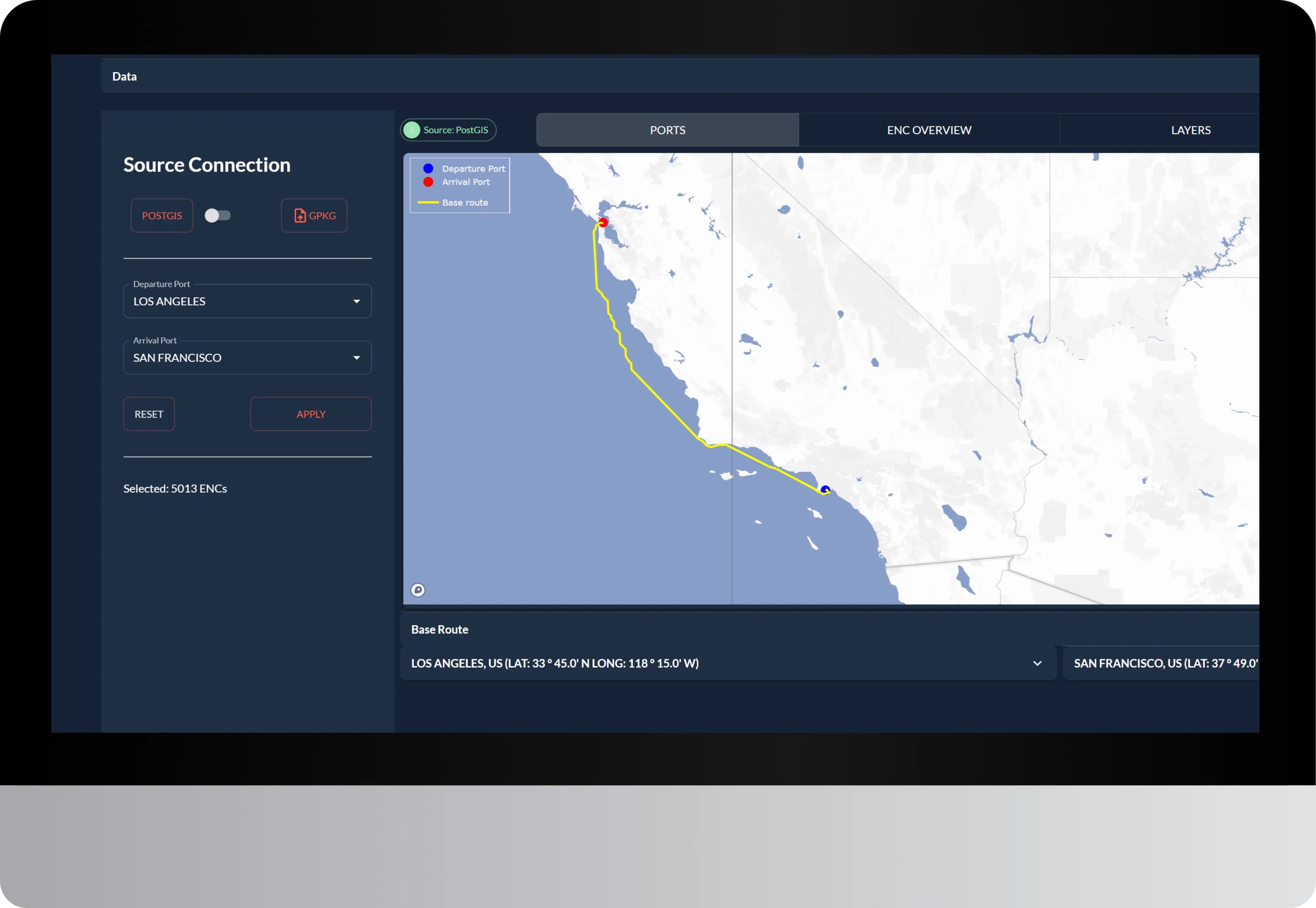
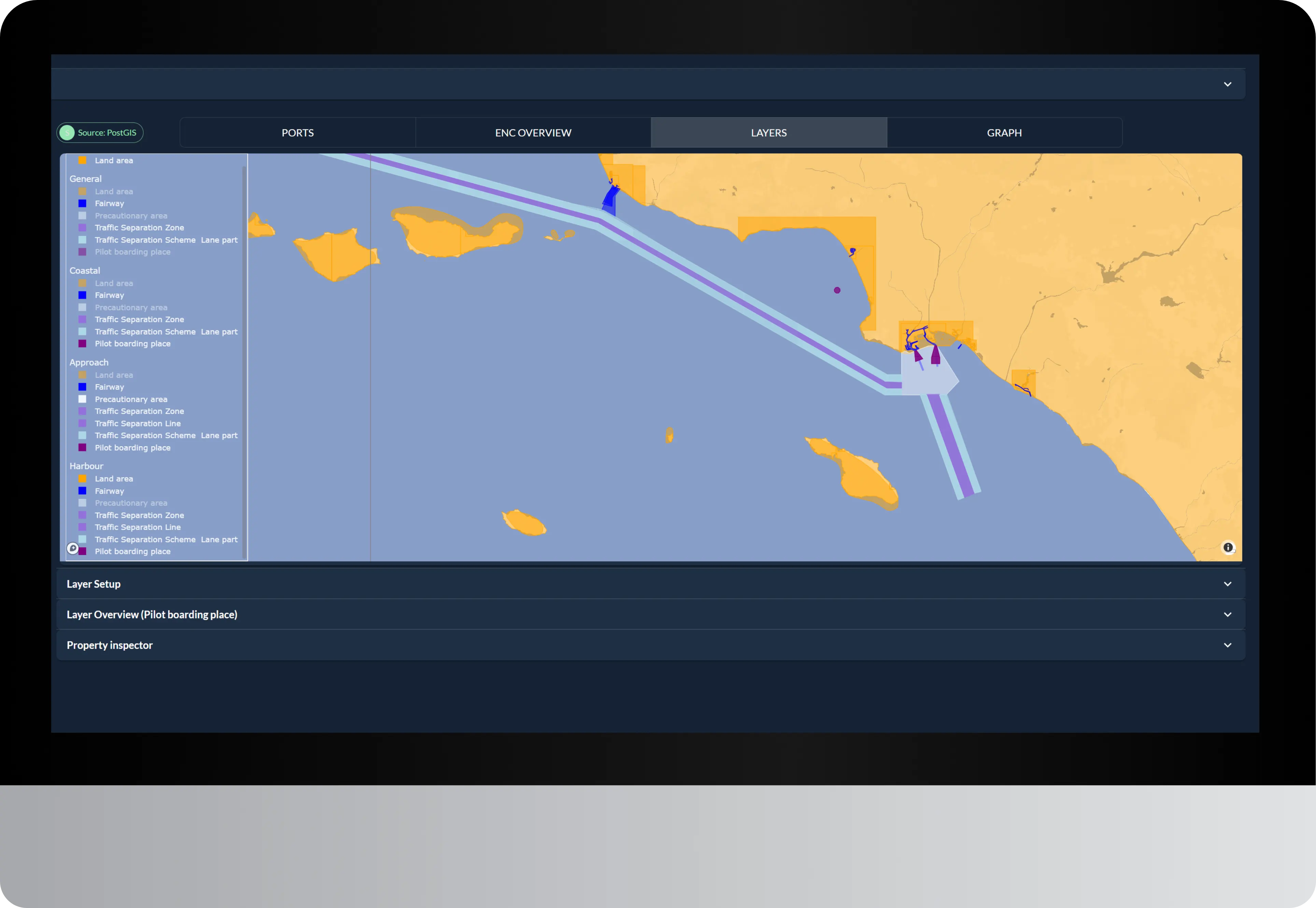
Route Assistant is more than just software; it's an open platform designed to automate voyage planning and unlock nautical data. It transforms complex, raw ENC (S-57) data into a structured, feature-rich, and navigable graph.
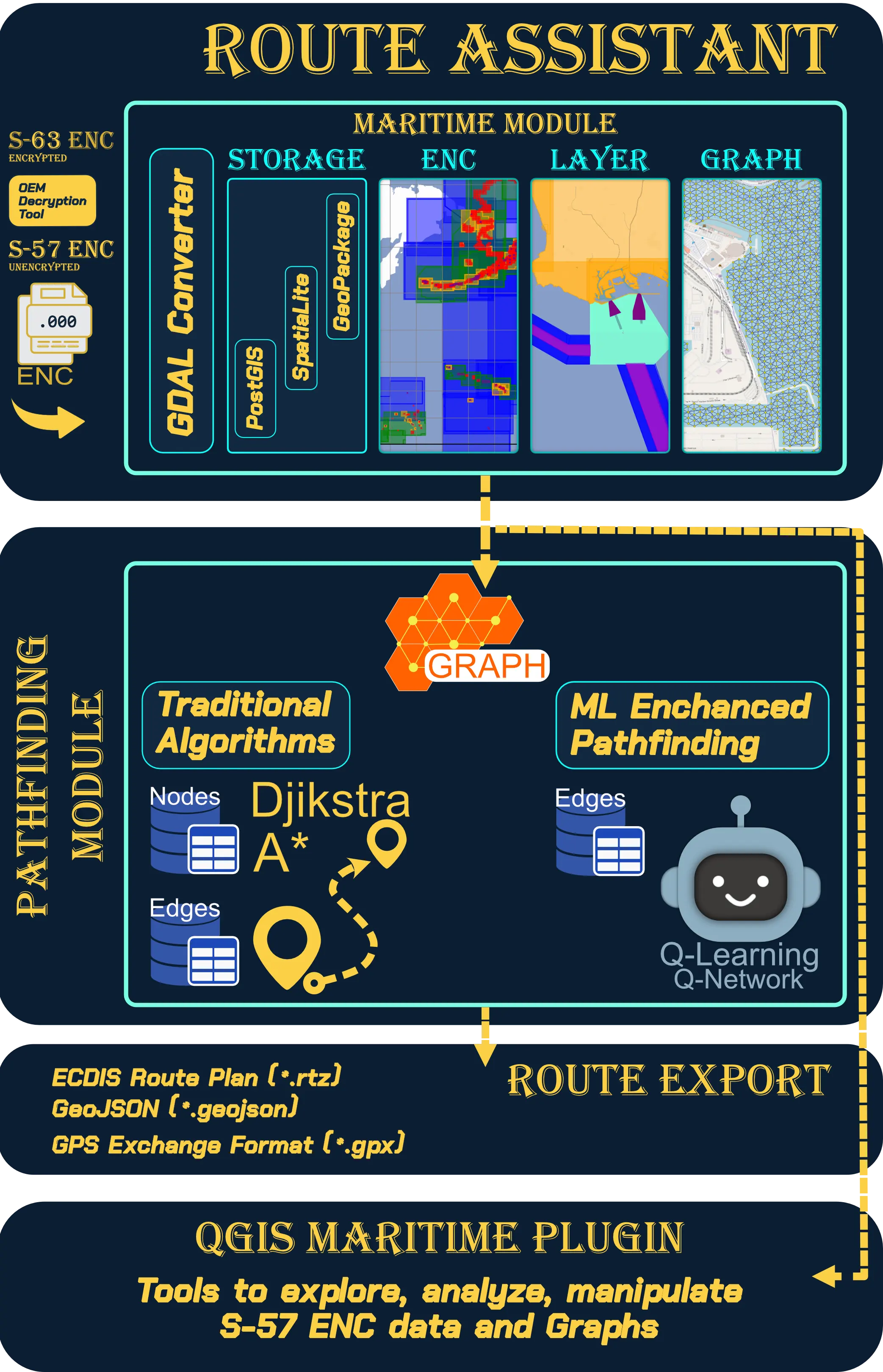
Key Features:
This project is not just an idea; it's the practical evolution of a Master's thesis in Autonomous Maritime Operations from Novia University of Applied Sciences.
The research successfully developed and implemented the 'Route Assistant' prototype, proving its capabilities.
Key Findings from the Research:
We have a clear, structured plan to bring the full Route Assistant suite to life. The core prototype, which represents about two-thirds of the foundational work, was completed in under a year. This campaign will fund 1.5 years of dedicated, full-time development to refine the system and deliver all rewards.
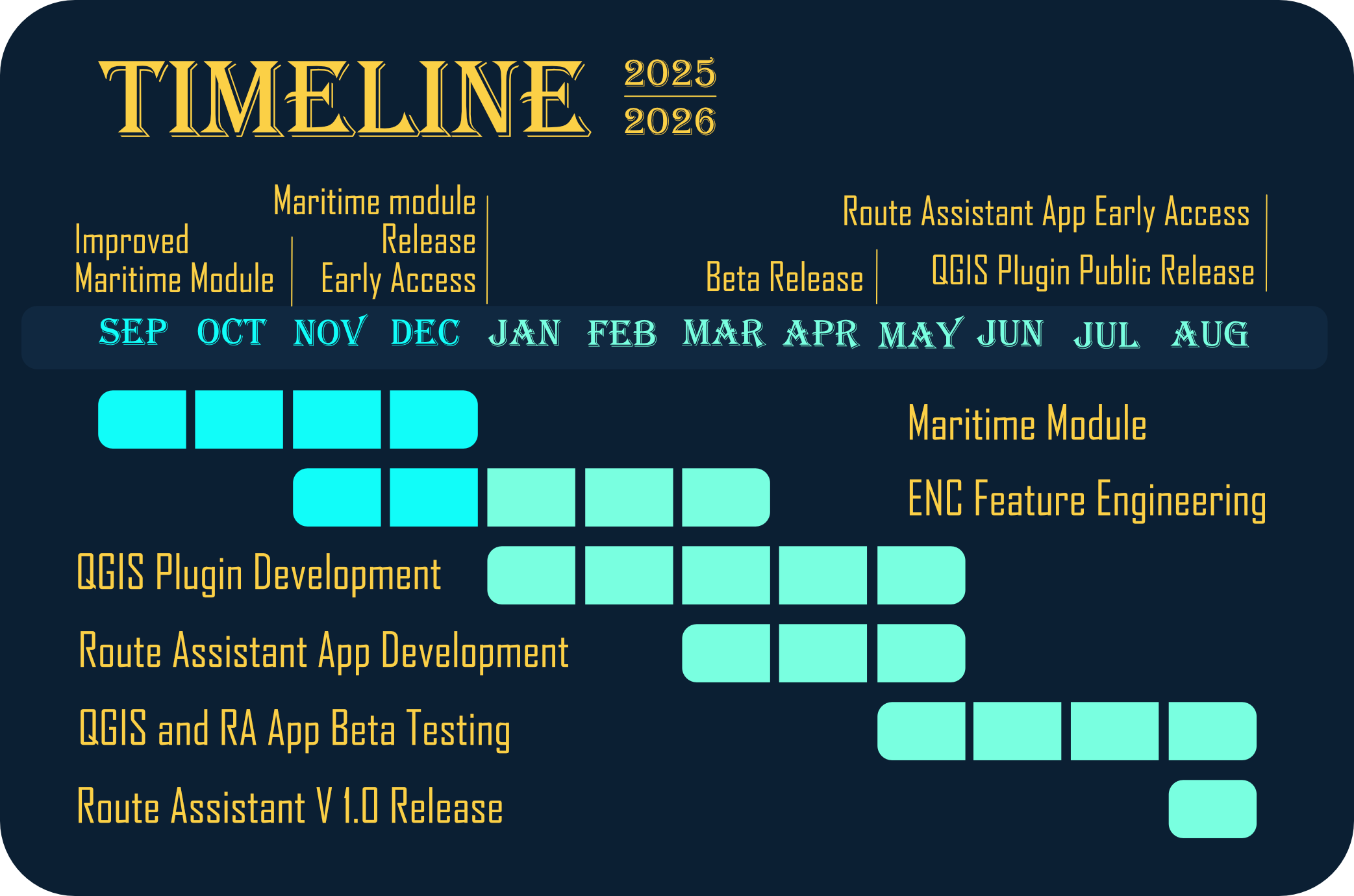
Key Milestones:
Vector Nautical has transitioned from a traditional crowdfunding model to a community-led, open-source initiative. We believe that the tools used by mariners should be built transparently and remain accessible to the industry.
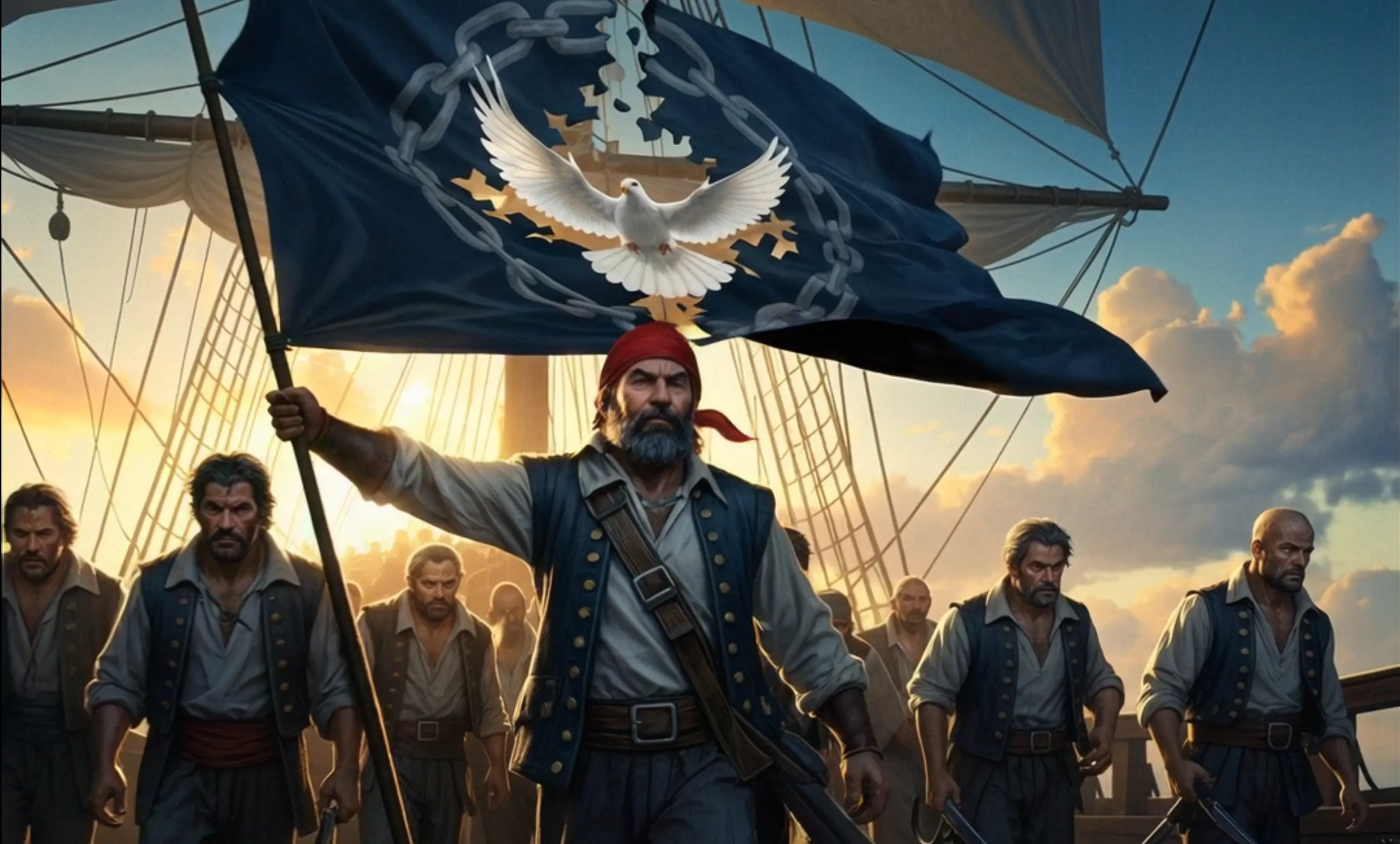
The development of Vector Nautical open-source tools is now powered by our community. We have moved our fundraising to Open Collective to ensure full financial transparency as we build the next generation of maritime tools.
Your contributions directly fund the development of the Nautical-Graph-Toolkit (the fundamental layer of Route Assistant) and our mission to make the seas safer and more efficient for every mariner. By supporting us, you aren't just a donor—you are a stakeholder in a more open maritime future.
All financial records, expenses, and contributions are public on our Collective page.

Transitioning Vector Nautical to community-led funding impacts the duration and frequency of our releases, but our vision for a truly open and innovative maritime ecosystem remains unchanged.
Our long-term vision focuses on tackling some of the industry's biggest challenges through a phased, transparent approach. Nautical-Graph-Toolkit is already live and represents the first in a line of projects designed to put power back into the hands of the mariner.
Sharing our mission is just as valuable. Please spread the word on social media and through your professional networks. Every share contributes to our visibility and success.
Together, let's navigate the future of maritime innovation.